List of The Best Indoor Air Purifying Plants
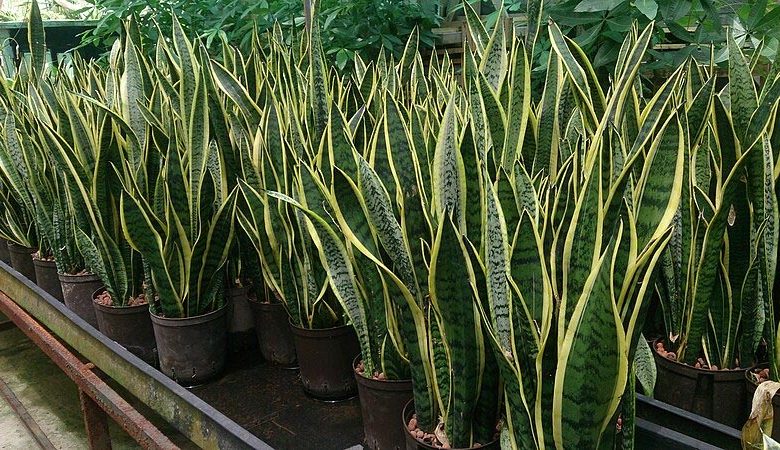
Bring life into your space with the best indoor air-purifying plants — low-maintenance options that fit any room, plus choices that are safe for cats and kids.
Shop low-maintenance indoor plants: indoor plants for delivery at The Sill.
Top 7 Best Indoor Air Purifying Plants
1. Snake Plant (Sansevieria) — The Easiest Air Purifier
If you want a plant that cleans the air without asking for attention, the Snake Plant is one of the best indoor air purifying plants you can buy.
Why it’s great:


-
Filters formaldehyde, benzene, and nitrogen oxides
-
Purifies even at night
-
Very hard to kill — ideal for busy or new plant owners
Care:
Low to medium light, very little water, thrives in almost any room.
Pet Safety: ❌ Toxic if chewed by cats or dogs.
(If you need safe alternatives, keep reading.)
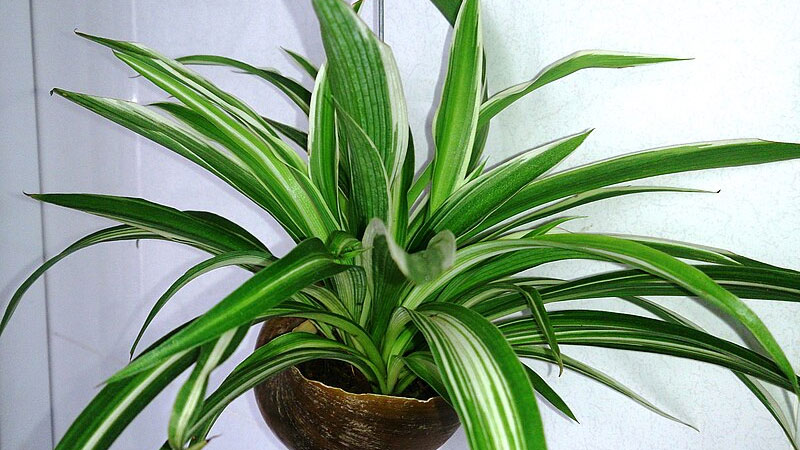
2. Spider Plant — Best Pet-Safe Air Purifying Plant
If you want indoor air purifying plants safe for cats, the Spider Plant is your #1 choice.
Why it’s great:
-
Removes carbon monoxide and formaldehyde
-
Completely non-toxic for pets
-
Very easy to grow and produces baby plantlets
Care:
Bright, indirect light; lightly moist soil.
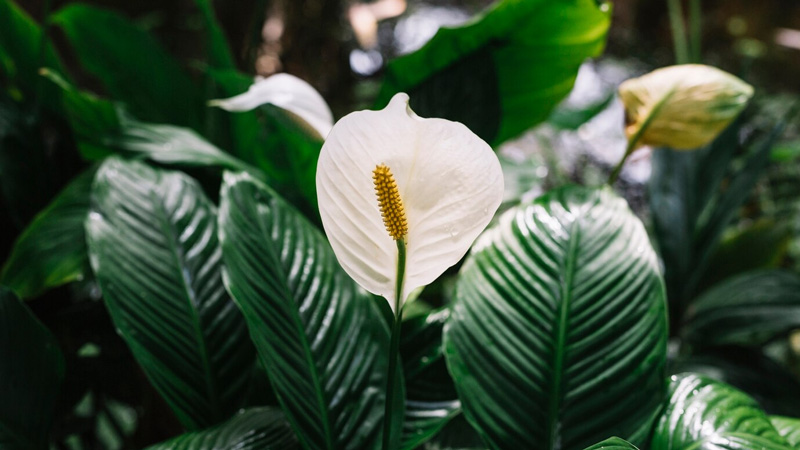
3. Peace Lily — Elegant & Powerful Air Cleaner
Known for its glossy leaves and white blooms, the Peace Lily is one of the strongest air detoxifiers.
Why it’s great:
-
Removes benzene, ammonia, trichloroethylene
-
Improves indoor humidity
-
Thrives in low light
Care:
Low–medium light, weekly watering.
Pet Safety: ❌ Toxic to cats and dogs.
Read More: The Best Air Purifying House Plants Safe For Dogs
4. Aloe Vera — Air Purifier + Healing Benefits
Aloe is more than a skincare plant — it’s also excellent at absorbing benzene and formaldehyde.
Why it’s great:
-
Low maintenance
-
Ideal for sunny windows
-
Helps filter chemicals from paints and cleaners
Care:
Bright light, very little water.
5. Areca Palm — Natural Humidifier
This tropical palm improves air quality and adds moisture to dry rooms.
Why it’s great:
-
Cleans carbon monoxide and toluene
-
Gentle, soft leaves perfect for home décor
-
Boosts humidity naturally
Care:
Bright, indirect light; keep soil slightly moist.
6. Boston Fern — Best for Dry Homes
If your air feels dry in winter, Boston Ferns release moisture while filtering pollutants.
Why it’s great:
-
Removes formaldehyde
-
Great for bathrooms or kitchens
-
Helps reduce airborne dust
Care:
Indirect light, high humidity, consistent moisture.
7. Rubber Plant — High-impact Toxin Absorber
Rubber Plants absorb indoor chemicals quickly and grow into beautiful statement pieces.
Why it’s great:
-
Strong at removing formaldehyde
-
Stunning deep-green leaves
-
Good for living rooms or offices
Care:
Bright, indirect light; moderate watering.
Advantages of Indoor Air Purifying Plants
Indoor air purifying plants offer numerous advantages that go beyond just improving air quality. Explore their full range of benefits here: indoor-plants-benefits.
• Cleaner indoor air (naturally)
Air-purifying plants help reduce common indoor pollutants and make your space feel fresher without machines or sprays.
• Better humidity balance
Many popular indoor plants release moisture, which can help reduce dryness in winter and make the air more comfortable.
Stress Reduction and Mental Well-being
Indoor greenery is shown to support a more relaxed mood and a more inviting home atmosphere.
• Low-maintenance options available
If you choose the right plants — like Snake Plant or ZZ Plant — you get cleaner air with almost no upkeep.
• Great for décor
Large leaves, natural textures, and structured shapes instantly upgrade any room style.
Disadvantages of Indoor Air Purifying Plants
• Some plants aren’t safe for pets or children
Certain houseplants can irritate cats, dogs, or young kids if they chew or touch the leaves. If you have pets or little ones, choose air-purifying plants that are labeled pet- and kid-safe.
• Requires basic maintenance
Even low-care plants need occasional watering, trimming, and correct placement.
• Possible allergies
A small number of people may react to pollen or plant sap.
• Overwatering risks
Too much water can lead to fungus or gnats — but this is easy to prevent with proper drainage.
-
Environmental Control Limitations